How To Crackle Paint With Pva Glue
Posted : adminOn 5/27/2018Homemade crackle medium works on any surface that can be brushed with glue and latex or acrylic paint. Wood, paper, cardboard and thick fabrics such as art canvases are all potential project surfaces. Paint the project piece in a desired base color using latex or acrylic paint; if the item already has a suitable base coat, such as a red chest of drawers, there's no need to repaint it. If it appears too glossy or if it may contain a coating that could prevent the glue from adhering well, scuff the surface gently with sandpaper, and then wipe the dust away. A homemade crackle medium is an incredibly simple recipe -- you only need a suitable glue.
School glue and wood glue both work; school glue is generally less expensive and available at more stores. Even dollar-store school glue works as a crackle medium. Brush the glue over any areas you want to crackle, such as the seat on a wooden chair and parts of the chair back. Apply glue over the entire piece if you want all of it to crackle, but if the project is large, work in a small area at a time, otherwise the glue will dry too fast. Use a flat latex or acrylic paint for the top coat, otherwise the crackling may not happen.
Find and save ideas about Crackle painting on Pinterest. PVA glue crackle technique on wood. Used Elmer's glue as crackle paint following tutorial I found on. Find and save ideas about Crackle painting on Pinterest. PVA glue crackle technique on wood. Used Elmer's glue as crackle paint following tutorial I found on. PVA glue (yes I have a HUGE bottle of PVA glue!) Brush. A palette for the paint and PVA. Pick which colour you want to come through the crackle.
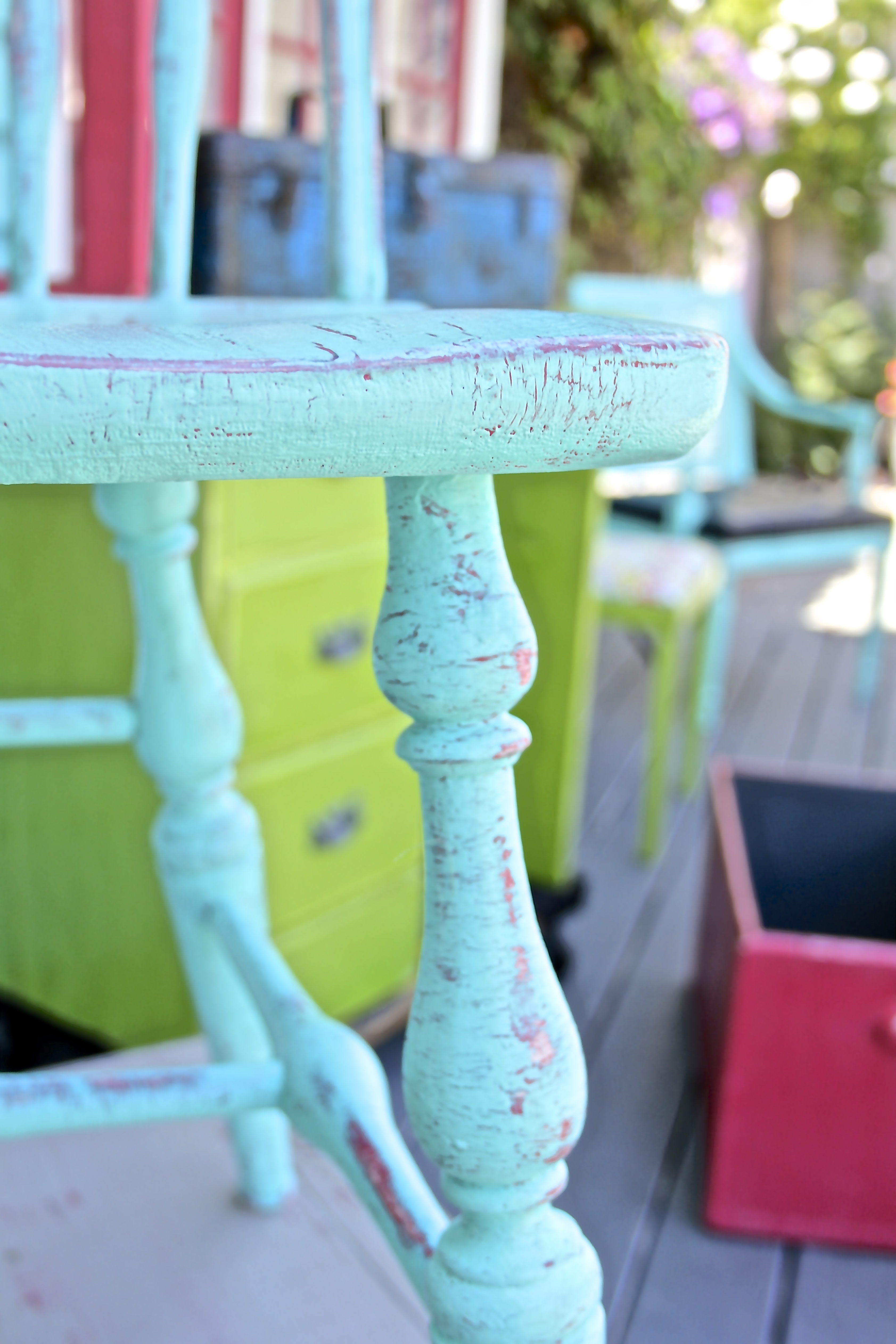

Brush the paint over the glue while it is still tacky to achieve the crackle effect. Brush only once over the glue, rather than using several brushstrokes in the same area, or you may hinder the crackling process. As the paint and glue dry, the cracks occur. Once the paint is completely dry, feel free to sand some of the top color away in areas that did not crack, such as edges and corners that would normally see a lot of wear over time.
If you've used a commercially sold crackle medium before, don't expect as long of a wait between applying your crackle medium and applying the top paint color. Glue-based crackle medium is dry enough to paint in a matter of minutes, so touch the project after five or 10 minutes to see if the glue is almost dry but still tacky. If the glue dries completely and you've missed the painting-time window, apply another coat of glue and get ready to paint. For large cracks, apply a thick layer of glue, and use a thin layer for small cracks.
Use white glue and paint to make crackle effects. Rebel Raiders Operation Nighthawk Pc. It’s simple, but offers a cool look! You’ve probably heard the song, “Everything has its season, everything has its time” Well, paint is no exception. Inherent in every painting medium is its drying time. Placing a faster-drying substance over one that dries more slowly will cause the surface to crack as the wetter base layer continues to shift, expand, and contract while drying. (Imagine the fissures that appear on the earth’s surface after a drought.) Any white glue is a great base for creating this effect. *First, it dries from the outside in, meaning, a top layer (or “skin”) will start to dry before the paint does.
This allows you to paint over the surface without disturbing the still-drying glue underneath. *Second, white glue dries brittle, which enhances the cracking effect of whatever you put on top. *Third, it dries clear, which is a great if you want the color or pattern of the paper underneath to show through your crackle. (You can also tint the glue with a little watercolor pigment prior to painting, if you want some translucent color.) To start, you will need a good heavyweight paper or board as a substrate.